WAGYU 101

What is Wagyu?
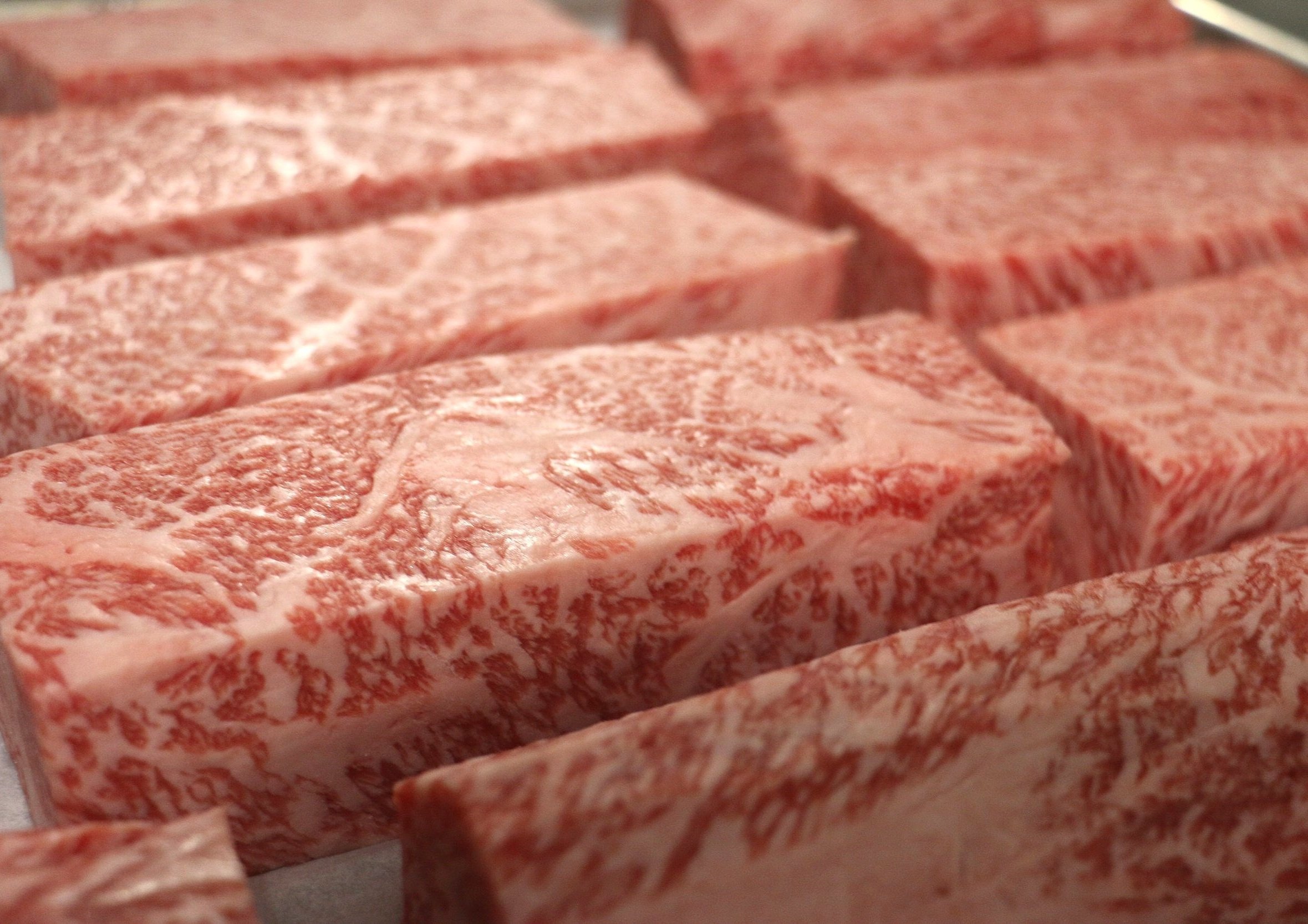
Wagyu means ‘Japanese Beef’ and is known for its abundant marbling and smooth muscle texture.
Three elements that make Japanese Wagyu unique are 100% Wagyu genetics, special feed rotation, and extreme care.
First, Japanese wagyu cattle originate from one of four types of breeds of cattle. Second, they have a special low-energy diet consisting of corn, barley, and on occasion, roasted soybeans. They are fed for 600 days versus US cattle for 150 days. Third, Japanese wagyu are under extreme care and never implanted with growth hormones.

What makes Wagyu so special?
Wagyu fat contains oleic acid (monounsaturated fatty acid) that is unlikely to oxidize in the body. Wagyu fat has a lower melting temperature. (76-86 ºF).
Like parmesan cheese, truffles, shiitake mushrooms, and kombu, wagyu contains high “umami” components when heated. Umami can be defined as a pleasant savory taste that only certain food ingredients contain.
The high marbling score of the wagyu beef is the reason why it is so tender, juicy, sweet, and rich in wagyu beef aroma.
Four Breeds
of Wagyu.
Japan defines “Wagyu” as one of the following 4 breeds or a mix among the 4 breeds. Only an animal whose blood comes 100% from one or more of these 4 breeds and is raised in Japan can be called “Wagyu.”
-
Approximately 95% of Wagyu raised and fattened in Japan today belong to this breed. Fine webs of marbling are found even in its leanest cuts. The flavor of the fat is sweet and exquisite, with a buttery, tender texture that dissolves in your mouth.
-
Also known as “akaushi (aka =red; ushi =cattle),” the Japanese Brown is raised primarily in Kumamoto and Kochi Prefectures.
The Kumamoto line is more common and is generally larger than the Kochi line. The Kochi line has fewer than two thousand in existence and is only found in Japan.
-
The Japanese Shorthorn is raised mainly in the Tohoku Region, especially Iwate. Its meat contains mostly lean meat and low-fat content and has a mild and savory flavor. It is famous for its Natsuyama Fuyusato rearing method, meaning the cattle are pastured in summer and fed indoors during the winter.
-
The Polled Japanese Cattle has a high content of lean meat and a distinctive Wagyu taste. It contains a high percentage of amino acid and boasts a rich, meaty flavor, as well as a structured texture. The population of Japanese Polled is the smallest of all four breeds with only several hundred remaining in existence today. This breed can only be found in Japan.
Top Quality Control.
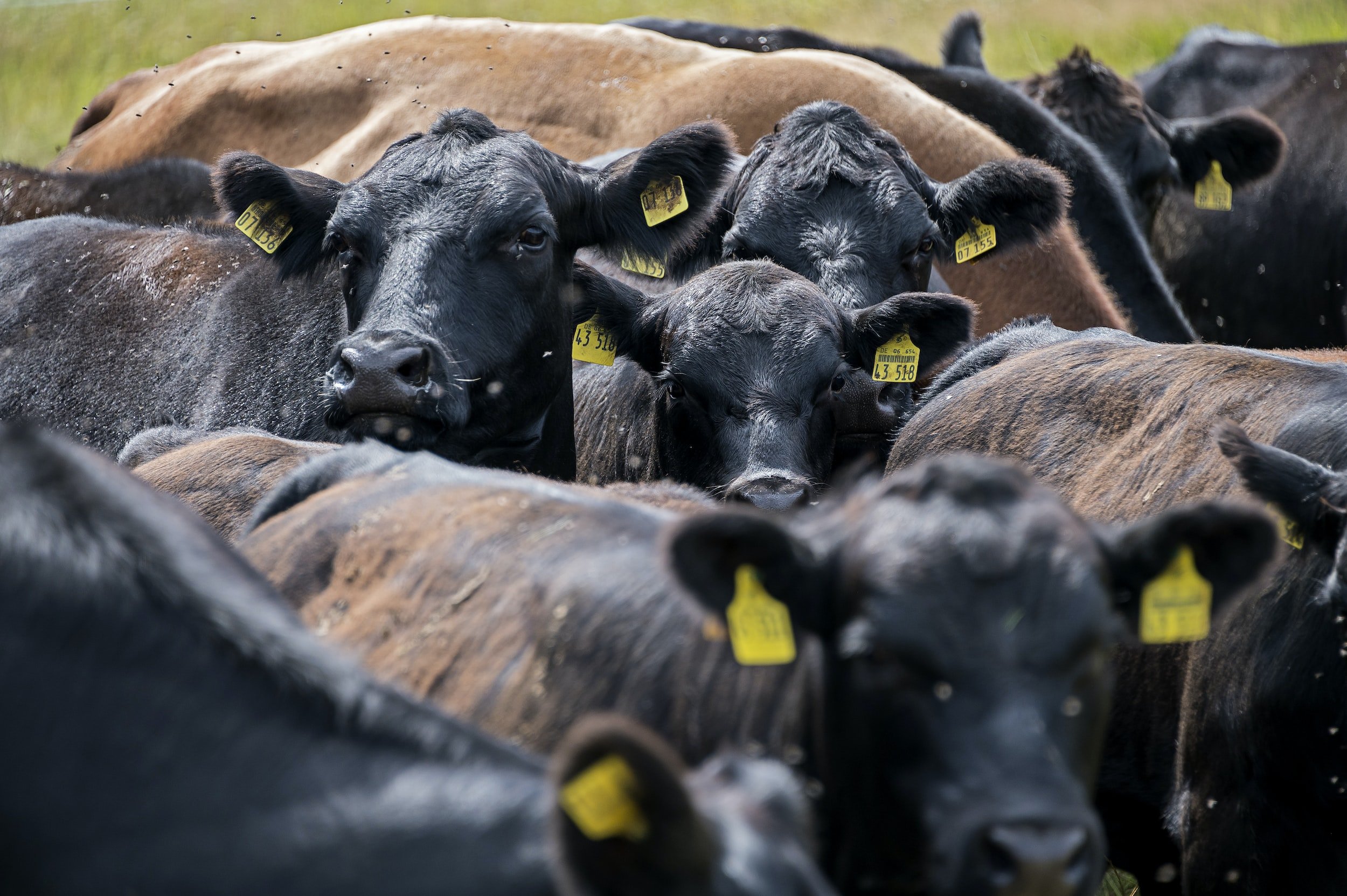
Each wagyu cattle has a given name and a 10-digit identification number placed on the ear tag at birth. Each wagyu can be traced back to its genetic lineage.
With our Certificates of Authenticity that includes a nose print, you verify the birth date, harvest date, the owner, and feedlot where the wagyu was raised.
The grading system combines both carcass and beef with different indicators strictly applied by graders from the Japanese Government.
Yield Grade is the ratio of meat to dressed carcass weight and is classified into three grades, from A to C (A: 72 and greater; B: 69 and greater; C: less than 69), according to numbers determined in four categories – rib eye area, rib thickness, subcutaneous fat thickness, chilled carcass weight.
Quality Grade is classified into grades (from 5 to 1) according to marbling, meat brightness, meat firmness and texture, and fat brightness and quality.

Grading System.
Japan Meat Grading Association Beef Marbling Standard.
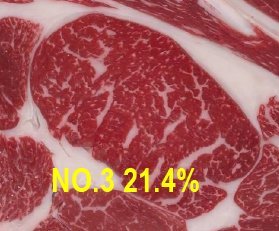
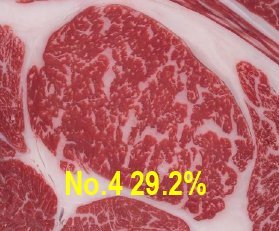
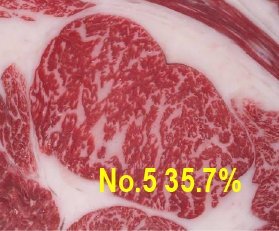
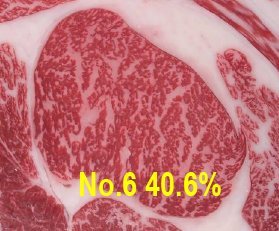
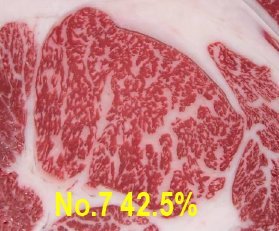
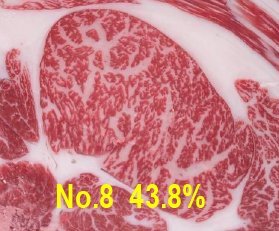
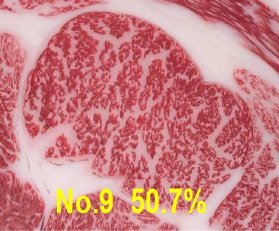
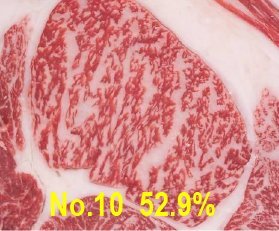
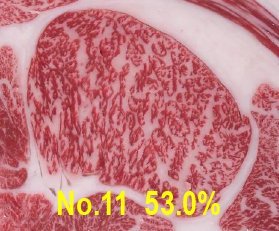
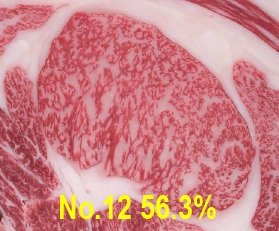
Each marbling chip shows the minimum IMF% required to achieve each BMS number.
Wagyu 101 Pamphlet
*
Wagyu 101 Pamphlet *


Genuine
A5 Wagyu.

Get in touch.
We are here to help. Send us a message and let’s talk meat.